


In today’s digital world, governments and organizations are constantly working to balance open internet access with the need to regulate harmful or restricted content. Content filtering systems have become an essential tool in managing online environments, protecting users, and enforcing regulations. One topic that has recently sparked interest in discussions around digital monitoring and filtering technologies is 185.62 l53 200 Korea.
As internet infrastructure grows more complex, countries are adopting advanced filtering technologies to monitor online activities, block harmful content, and maintain regulatory compliance. Korea, known for its strong technological infrastructure and advanced internet services, is continuously evolving its approach to digital governance. Systems associated with 185.62 l53 200 Korea have drawn attention in discussions related to how filtering frameworks may evolve in the coming years.
This article explores the future of such content filtering systems, the technology behind them, their potential benefits, challenges, and how they may shape the future of internet governance.
Understanding Content Filtering Systems
Content filtering systems are designed to monitor and control internet traffic by blocking or restricting access to certain websites, applications, or digital content. These systems are widely used in various environments, including government networks, educational institutions, workplaces, and internet service providers.
Filtering technology typically works by analyzing internet traffic and comparing it against predefined rules or databases. When content matches a restricted category, the system blocks access or redirects the user to a warning page.
In discussions about filtering frameworks, references such as 185.62 l53 200 Korea often appear in technical or monitoring contexts related to network-level filtering, server routing, or content access management.
As internet use continues to expand globally, filtering systems are becoming more sophisticated and data-driven.
Why Content Filtering Is Becoming More Important
The rapid growth of online content has created new challenges for governments and organizations. Millions of websites, apps, and digital platforms are created every year, making it difficult to maintain a safe and regulated online environment.
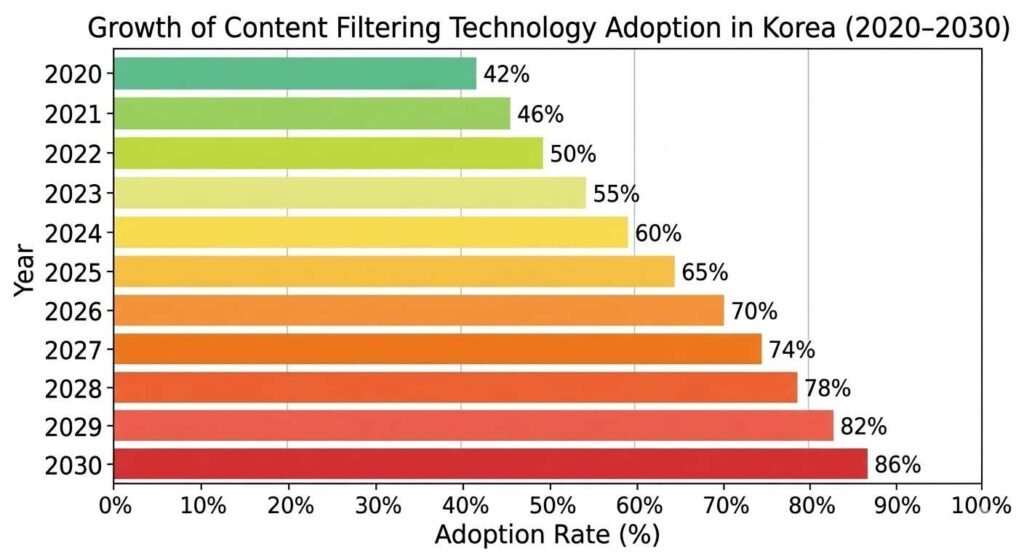
Several factors contribute to the increasing importance of content filtering:
1. Protecting Users from Harmful Content
Filtering systems help prevent exposure to illegal or harmful material such as malware, phishing websites, and inappropriate content.
2. Enforcing National Regulations
Many countries implement internet regulations that require certain types of content to be restricted. Content filtering systems help enforce these rules effectively.
3. Network Security
Filtering tools can block suspicious websites and prevent cyber threats from entering a network.
4. Maintaining Productivity
Organizations often use filtering systems to limit access to distracting websites during work hours.
In discussions around 185.62 l53 200 Korea, the focus is often on how filtering infrastructure may evolve to handle these challenges more effectively.
The Role of Advanced Technology in Filtering Systems
Modern filtering systems rely heavily on advanced technologies to keep up with the complexity of the internet. Traditional filtering methods based on simple keyword detection are no longer sufficient.
Future filtering systems are expected to incorporate the following technologies:
Artificial Intelligence and Machine Learning
Artificial intelligence is transforming how filtering systems detect harmful or restricted content. Instead of relying solely on pre-defined lists, AI can analyze patterns, context, and behavior to identify potentially harmful material.
Machine learning algorithms continuously improve over time by learning from new data, making filtering systems more accurate and efficient.
Real-Time Traffic Analysis
Modern filtering systems analyze internet traffic in real time. This allows networks to block malicious or restricted content instantly before it reaches users.
Real-time analysis is expected to become even more powerful in future systems associated with 185.62 l53 200 Korea discussions.
Cloud-Based Filtering
Cloud-based filtering systems allow organizations and governments to monitor traffic across multiple networks and devices simultaneously. This approach improves scalability and flexibility.
The Evolution of Internet Governance in Korea
Korea is widely recognized for having one of the fastest and most advanced internet infrastructures in the world. With high internet penetration and a tech-savvy population, the country has developed sophisticated digital governance systems.
Korean authorities and technology providers continuously explore ways to improve online safety while maintaining a high-quality internet experience for users.
Discussions around 185.62 l53 200 Korea often highlight how advanced infrastructure can support next-generation filtering technologies.
Some key aspects of Korea’s digital governance approach include:
- Monitoring harmful or illegal online content
- Protecting minors from inappropriate websites
- Preventing cybercrime and malware distribution
- Supporting responsible internet usage
As new technologies emerge, these policies may evolve to incorporate more automated and intelligent filtering systems.
Challenges Facing Future Content Filtering Systems
Despite their benefits, content filtering systems face several challenges that must be addressed in the future.
Balancing Regulation and Internet Freedom
One of the biggest challenges is finding the right balance between protecting users and maintaining freedom of information.
Overly restrictive filtering systems may limit access to legitimate information, while insufficient filtering could expose users to harmful content.
Technical Complexity
The internet is constantly evolving, with new websites, apps, and technologies emerging every day. Filtering systems must continuously adapt to keep up with these changes.
Privacy Concerns
Monitoring internet traffic raises concerns about user privacy. Future filtering technologies must ensure that user data is handled responsibly and securely.
Bypassing Techniques
Users sometimes attempt to bypass filtering systems using tools such as VPNs or proxy servers. Future filtering systems may need more advanced detection methods to address these challenges.
Potential Innovations in Future Filtering Systems
The future of content filtering systems may involve several exciting innovations that improve both efficiency and accuracy.
AI-Driven Content Categorization
Artificial intelligence could automatically categorize websites and online content based on their purpose, allowing filtering systems to respond more accurately.
Behavioral Analysis
Future filtering systems may analyze user behavior patterns to detect suspicious activity or malicious content more effectively.
Smart Network Infrastructure
Smart networks could automatically adapt filtering rules based on real-time threats or emerging content trends.
In discussions about 185.62 l53 200 Korea, such innovations are often considered part of the broader evolution of digital monitoring technologies.
Global Trends Influencing Content Filtering
Content filtering is not limited to a single country. Governments and organizations around the world are exploring new strategies for managing online environments.
Several global trends are shaping the future of filtering systems:
Increased Cybersecurity Threats
As cyber threats become more advanced, filtering systems must become more sophisticated to protect users and networks.
Growing Digital Regulations
Many governments are introducing new laws to regulate online content, which increases the need for effective filtering technologies.
Expansion of Internet Access
With billions of users connected to the internet, filtering systems must handle massive volumes of data.
These trends suggest that systems associated with 185.62 l53 200 Korea discussions may continue evolving as part of broader global internet governance strategies.
The Future Outlook
Looking ahead, content filtering systems will likely become more intelligent, automated, and integrated with broader cybersecurity frameworks.
Future systems may combine AI, cloud computing, and advanced analytics to create powerful monitoring tools capable of handling the growing complexity of the internet.
In the context of 185.62 l53 200 Korea, discussions about filtering systems reflect broader efforts to create safer and more reliable online environments.
While challenges remain, the continued development of advanced technologies offers promising solutions for managing digital content responsibly.
Conclusion
Content filtering systems play a critical role in maintaining a safe and secure internet environment. As online content continues to grow, these systems must evolve to handle new challenges and threats.
The future of filtering technologies will likely involve artificial intelligence, real-time data analysis, and smarter network infrastructure. These innovations can help governments and organizations manage online content more effectively while maintaining a balance between regulation and freedom of information.
Discussions around 185.62 l53 200 Korea highlight how digital governance and filtering technologies may continue evolving in response to the changing landscape of the internet.
As technology advances, the goal will remain the same: creating a safer, more reliable online environment for users around the world.
FAQs
1. What is a content filtering system?
A content filtering system is a technology that monitors and controls internet traffic by blocking or restricting access to certain websites or digital content.
2. Why are content filtering systems used?
They are used to protect users from harmful content, enforce regulations, improve network security, and maintain productivity in organizations.
3. How do modern filtering systems work?
Modern systems analyze internet traffic using databases, algorithms, and sometimes artificial intelligence to detect and block restricted content.
4. What technologies will shape future filtering systems?
Technologies such as artificial intelligence, machine learning, real-time traffic analysis, and cloud computing are expected to play major roles.
5. Are content filtering systems used worldwide?
Yes, many governments, businesses, and institutions use content filtering systems to manage internet access and protect users online.