
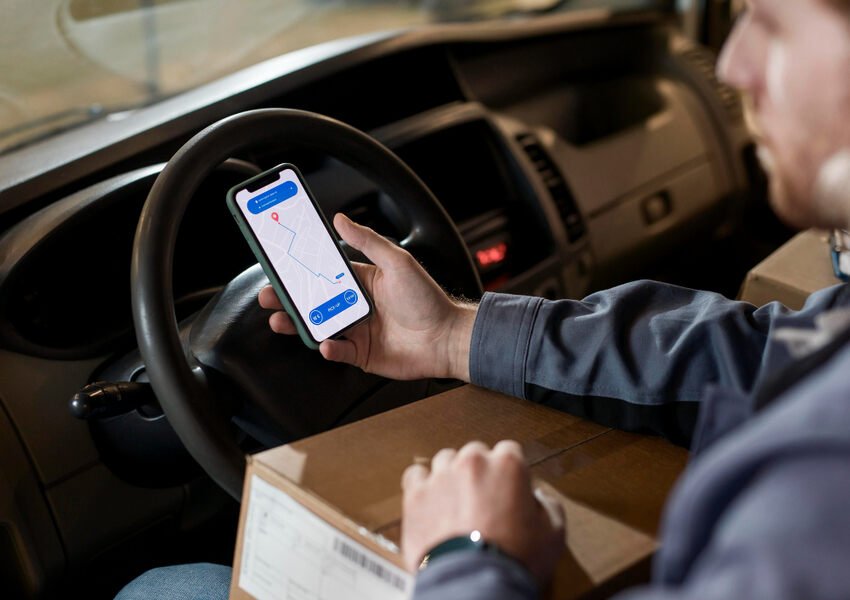

Tracking delivery applications are significant in the current logistics and transportation practices. These applications are used by customers and businesses to track shipments, make approximations on arrival times, and get real time updates. Failure or lack of appropriate information in these systems can result in missed deliveries, frustration of the customer, and lack of efficiency in operations. This is the reason why quality assurance should be well planned and implemented prior to and after deployment.
The delivery tracking apps require quality assurance, which is done through testing the performance, accuracy, usability, and system reliability. The QA teams need to ensure that the location tracking is fine, the notifications are timely and the app can be used on various devices and networks. A test plan will assist in assuring that the application provides stable and reliable feedback on delivery drivers and end users.
Testing Core Tracking Features
Validating the core tracking functionality is one of the most important tasks in QA of delivery tracking apps. The software should be able to show the position of a delivery vehicle or a package on the map. QA teams are supposed to replicate various delivery conditions to ensure that GPS information is updated correctly and users can view the correct tracking records. Both active delivery movement and stationary conditions should also be tested so as to ensure that the system indicates the right status.
The next step that is necessary is confirmation of delivery status updates during the delivery lifecycle. Status messages of dispatched, in transit, out for delivery and delivered must be changed properly in the application. The testers must examine the presence of updates on a regular basis across the mobile application, back-office software, and customer alerts. In case the tracking data is linked to delivery management software, QA personnel also should ensure that the information is properly synchronized across systems.
Evaluating User Interface and User Experience
The delivery tracking application should be simple to use by both customers and drivers. When performing QA testing, the user interface must be analyzed thoroughly to ensure that the tracking information is well displayed. Logical placement in the application should have map displays, estimated delivery times as well as status updates. It is important that testers ensure that the icons, labels and other navigation features of the webpage are user-friendly to a user with varying degrees of technical knowledge.
The user experience testing process also implies the analysis of the ease with which the users may navigate through the app. The tasks that should be tested by the QA teams include the ability to see the details of the orders, monitor their progress, and get notifications. The aim is to ensure every step is natural and that a user does not have to put a lot of effort into it. In case the application is not easy to use or has some disorienting layouts, customers are not going to be able to monitor their deliveries efficiently.
Conducting Performance and Network Testing
Most of the time delivery tracking apps have to be used in an environment that has diverse internet connectivity. Drivers can pass by weak signal areas and customers can view tracking updates to mobile networks or free WiFi. The QA teams are thus forced to test the performance of the application in various network conditions. Fake sluggish connectivity or momentary outages may display the manner in which the app will respond to delays in data updates.
The performance testing would also involve the testing of the ability of the app to withstand heavy usage. Thousands of users can be tracking their packages simultaneously during the high delivery seasons. QA teams are supposed to load tests under high traffic to ensure that the servers and application infrastructure do not crash. The platform should be able to sustain fast loading speeds and proper tracking updates despite having a large number of users using the system at the same time.
Verifying Notifications and Alerts
The apps of delivery tracking are greatly dependent on notifications to inform the user of his or her shipments. QA testing should provide assurance that alerts are displayed at the right time in the process of delivery. Alerts like the departure of the driver, delivery confirmation, and arrival time should be timely and appropriately received by the users. The push and in app alerts should be tested on various mobile platforms.
Besides the timing, testers need to test the message readability and accuracy of the notification messages. Users should know what the alert entails and what they can possibly be required to do at once. Say, a message that the customer can be seen by the driver should be displayed early enough to make the recipient ready in case of delivery. QA teams must as well ensure that users have the ability to control notification settings in the app settings.
Ensuring Security and Data Protection
Tracking delivery apps usually contain confidential data such as addresses, order, and contact information. The QA teams need to ensure that this data is secured by the application via secure methods of communication and storage. Testing must involve checking encryption of data that is transferred between the mobile application and the servers. Security testing assists in avoiding hacking of delivery information or unauthorized access.
User authentication and account protection is another vital measure that should be taken. Only authorized people should access their tracking information with the help of the app. To ensure that accounts are secure, QA teams should test application of login systems, password protection and session management. Effective security testing does not only ensure that customer information remains safe, but also builds confidence in the delivery system.
Maintaining Ongoing Testing and Updates
The process of quality assurance does not stop just after a delivery tracking app has been launched. With the addition of new features and changes in the systems continuous testing is required to ensure reliability. QA teams are also required to go through updates in applications on a regular basis to ensure that new functions that are introduced do not interfere with the existing tracking features. Regression testing is very crucial especially when updates are done to ensure that previous functionality performs as desired.
User feedback monitoring can also be used to enhance the quality of apps in the long run. Drum Buffer Rope (DBR) reports, as well as customer and driver reports, have the capability of identifying problems that were not detected during initial testing. The development teams would be able to improve the application by adding feedback into subsequent QA cycles and solve real world challenges. Regular testing and enhancement will make delivery tracking apps reliable logistics operation and customer service tools.