

Food safety alerts can affect thousands of consumers within a short time, and a cucumber recall is one such situation that demands public attention. Health authorities and food companies must issue a cucumber recall when they identify contamination, labeling mistakes or any other safety threats that could endanger consumer well-being. Understanding the reasons for cucumber recalls, together with knowledge of appropriate response methods, enables you to safeguard both your personal health and that of your family members.
What Is a Cucumber Recall?
A cucumber recall happens when cucumbers are removed from stores, restaurants, and distribution channels because they may be unsafe to eat. Food safety agencies such as the U.S. Food and Drug Administration and the Centers for Disease Control and Prevention perform recalls when they identify probable contamination problems.
The most common reason for a cucumber recall is bacterial contamination, particularly from pathogens like Salmonella, which can cause foodborne illness. Bacteria can move through the entire process of harvesting, packaging, and transportation when facilities do not implement correct hygiene protocols.
Table:
| Category | Details |
|---|---|
| Topic | Cucumber Recall |
| Definition | Removal of cucumbers from the market due to safety concerns like contamination or labeling errors |
| Main Authorities Involved | U.S. Food and Drug Administration (FDA), Centers for Disease Control and Prevention (CDC) |
| Primary Cause | Bacterial contamination (e.g., Salmonella, E. coli) |
| Other Causes | Cross-contamination, packaging mistakes, distribution errors |
| Contamination Sources | Contaminated water, soil, improper hygiene during processing |
| Common Symptoms | Nausea, vomiting, diarrhea, fever, stomach cramps |
| High-Risk Groups | Children, elderly individuals, people with weak immune systems |
| Consumer Action Steps | Check recall notices, verify product details, avoid consumption, return or discard product |
| Where to Check Recalls | Official FDA and CDC announcements |
| Retailer Responsibility | Remove recalled products from shelves quickly |
| Authority Actions | Investigate source, trace supply chain, issue public warnings |
| Food Safety Tips | Wash cucumbers, store properly, avoid cross-contamination, buy from trusted sources |
| Key Risk | Foodborne illness due to contaminated produce |
| Prevention Method | Follow safe food handling and stay updated on recall alerts |
| Importance | Protects public health and prevents the spread of illness |
Why Do Cucumber Recalls Happen?
Multiple elements contribute to the occurrence of cucumber product recalls. The primary reasons for these events include:
1. Bacterial Contamination
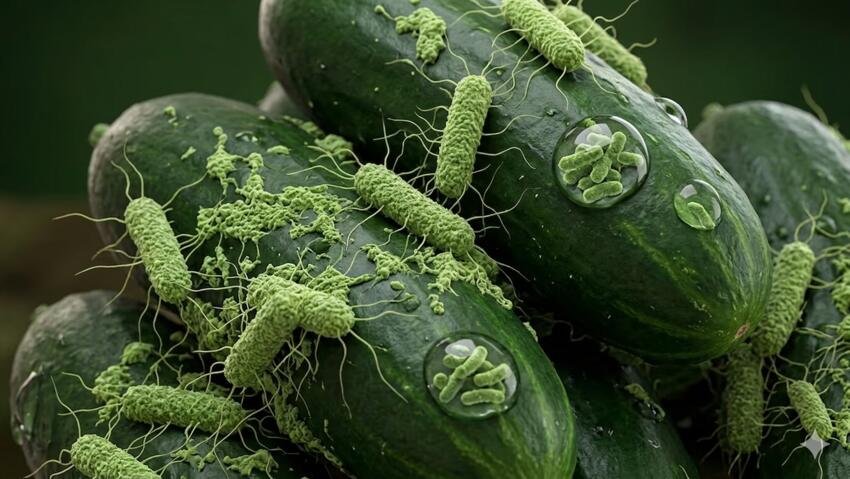
Cucumbers become contaminated through contact with dangerous bacteria, which include Salmonella and Escherichia coli. The bacteria enter through contaminated water and soil or through improper processing methods.
2. Cross-Contamination During Processing
Food processing facilities sometimes handle multiple products at once. If the facility does not maintain proper sanitation protocols, bacteria from other products will spread to cucumbers, which will cause a product recall.
3. Distribution Errors
Mislabeling and packaging errors lead to cucumber recalls when products move through different retail locations across multiple areas.
Health Risks Associated With Contaminated Cucumbers
Contaminated cucumbers cause foodborne illnesses through their consumption. Symptoms may appear within hours or days after consumption and can include:
- Nausea
- Vomiting
- Diarrhea
- Fever
- Stomach cramps
Salmonella infections can lead to severe cases that require hospitalization for infected individuals who belong to younger children, older adults, and individuals with compromised immune systems.
How to Check If Your Cucumbers Are Recalled?
If a cucumber recall is announced, consumers should take the following steps:
- Check official announcements from agencies like the U.S. Food and Drug Administration.
- Look at product labels, which include brand name, packaging date, and distribution area.
- Avoid eating the product if it matches the recall notice.
- Return or discard the cucumbers according to the instructions provided in the recall alert.
Retailers typically remove recalled cucumbers from their shelves within a short time period. However, certain products continue to exist in the homes of consumers.
How do Food Safety Authorities Handle Cucumber Recalls?
Food safety agencies start their investigations to find the contamination source when a cucumber recall occurs. The Centers for Disease Control and Prevention teams up with state and local authorities to trace the supply chain and identify affected batches while stopping further product distribution.
Public warnings, press releases, and updates are then issued to ensure consumers stay informed.
Tips to Reduce Food Safety Risks
Safe food handling practices must be followed at all times because food safety standards exist even without a cucumber recall. The safe handling of cucumbers requires three main steps which include washing which should be done under running water and the subsequent step of washing which should be done under running water and the subsequent step of washing which should be done under running water.
- Store them in clean refrigeration conditions.
- Avoid cross-contamination with raw meats or unclean surfaces.
- Purchase produce from reputable sources.
The practice of these habits reduces foodborne illness risks.
Frequently Asked Questions (FAQs)
What does a cucumber recall mean?
A cucumber recall means certain cucumbers are being removed from the market because they may be contaminated or unsafe to consume.
What bacteria are commonly linked to cucumber recalls?
The most common bacteria associated with cucumber recalls include Salmonella and Escherichia coli.
What should I do if I bought recalled cucumbers?
Do not eat them. Follow recall instructions, which usually recommend returning the product to the store or disposing of it safely.
How can I stay updated on cucumber recalls?
You can check recall alerts from the U.S. Food and Drug Administration or the Centers for Disease Control and Prevention.
Can washing cucumbers remove harmful bacteria?
Washing may reduce some contamination, but may not eliminate bacteria such as Salmonella. If a cucumber recall is announced, it is safest not to consume the product.