

Last updated on March 11th, 2026 at 04:30 pm
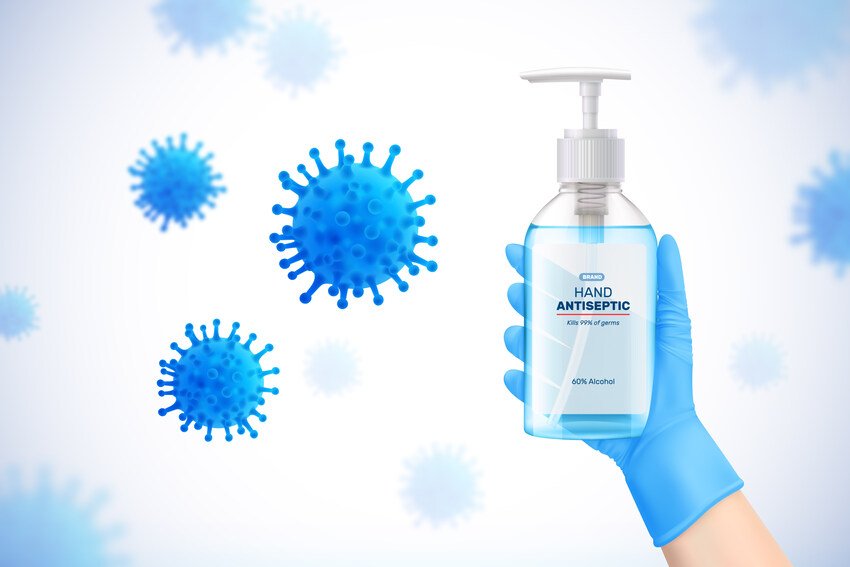
In the modern home, we are obsessed with sterility. We buy hand soaps that promise to kill 99.9% of germs. We scrub our countertops with bleach. We pour chemical gels down our toilets to keep them sparkling blue. We have been taught that bacteria are the enemy, and that a clean home is a sterile home.
But for the millions of households that rely on a private septic system, this war on bacteria is a dangerous paradox. While you are busy sterilizing your kitchen, you may be unintentionally poisoning the most expensive “pet” you own: the living, breathing ecosystem buried in your backyard.
To understand why your cleaning habits might be destroying your plumbing, you have to stop thinking of your septic tank as a trash can. You have to start thinking of it as a stomach.
The Invisible Engine: Anaerobic Digestion
A septic tank is not a storage unit; it is a biological processing plant. When wastewater leaves your house, it enters a watertight concrete or plastic box. Inside this box, physics does the initial work. Heavy solids (sludge) sink to the bottom, and lighter fats and greases (scum) float to the top.
But the magic happens in the middle, in the liquid layer known as “effluent.”
Here, billions of naturally occurring organisms—specifically anaerobic bacteria and enzymes—go to work. Because the tank is sealed and lacks oxygen, these anaerobic bacteria thrive. They feed on the organic waste in the water. They digest the solids, breaking them down into liquid and gas.
This biological digestion is critical. It reduces the volume of solid waste by up to 50%. Without these bacteria, the tank would fill up with solids in a matter of months, clogging the system and forcing raw sewage out into the drain field.
The Chemical Antibiotic
When you wash your hands with harsh antibacterial soap, or when you pour half a bottle of bleach into the washing machine to whiten your sheets, that chemical water rushes down the drain and hits the tank.
In a municipal sewer system, this doesn’t matter much; the volume of water is so vast that the chemicals are diluted instantly. But in a backyard septic tank, the volume is small. A concentrated dose of bleach or “quaternary ammonium compounds” (the active ingredient in many disinfectants) acts like a strong course of antibiotics.
It doesn’t distinguish between the “bad” germs on your hands and the “good” bacteria in your tank. It kills them all.
When the bacteria die, the digestion stops. The metabolic engine of the tank shuts down. The solids that enter the tank are no longer broken down; they just pile up.
The “Sludge” Creep
The immediate consequence of a “dead” tank is sludge accumulation. Since the solids aren’t liquefying, the sludge layer at the bottom rises faster than the system was designed to handle.
Eventually, this sludge gets high enough that it exits the tank and flows into the drain field (leach field).
The drain field is a network of perforated pipes buried in gravel and soil. Its job is to filter clear liquid into the ground. It is not designed to handle solids. When the sludge hits the drain field, it clogs the pores of the soil. It forms a thick, tar-like barrier called a “biomat.” Once the soil is clogged, the water has nowhere to go. It either surfaces in your yard as a foul-smelling swamp or backs up into your bathtub.
The Worst Offenders
Not all cleaning products are created equal. To maintain a healthy bacterial colony, you need to identify the “Tank Killers.”
- Chlorine Bleach: Small amounts (like a cup in a large load of laundry) are usually fine, but consistent, heavy use is deadly.
- Chemical Drain Openers: Products like Drano or Liquid-Plumr are extremely caustic. They are designed to burn through organic matter (hair and grease). In a septic tank, they burn through the biological balance.
- Antibacterial Soaps: The FDA has actually ruled that for the general public, antibacterial soaps are no more effective than regular soap and water. Yet, they remain popular. In a septic home, regular vegetable-based or biodegradable soaps are a much safer choice.
- Phosphate Detergents: While phosphates don’t kill bacteria, they act as a fertilizer. If they leach out into local waterways, they cause algae blooms.
The “Yeast” Myth
When homeowners realize they might have killed their tank, they often turn to “old wives’ tales” to fix it. The most common myth is flushing a packet of yeast or a piece of raw liver down the toilet to “jumpstart” the bacteria.
While yeast is a fungus, it is not the right kind of organism for breaking down human waste. Septic tanks require specific enteric bacteria. Adding yeast creates a fermentation process that can actually cause frothing and gas buildup, preventing the solids from settling correctly.
The bacteria you need are already present in human waste. If you stop poisoning them, they will naturally repopulate over time.
Restoring the Balance
So, how do you live hygienically without destroying your infrastructure?
- Dilution is the Solution: If you must use bleach, do it sparingly and try to spread out the laundry loads over the week rather than doing five “bleach loads” on Saturday morning. This gives the bacteria time to recover.
- Read the Label: Look for “Septic Safe” labels. This isn’t just marketing; it usually means the product is biodegradable and free of heavy phosphates or extreme biocides.
- Use Natural Cleaners: Vinegar, baking soda, and lemon juice are incredible cleaners that are mildly acidic but generally harmless to the anaerobic environment of the tank.
Conclusion
A septic system is not a set-it-and-forget-it appliance. It is a partnership with nature. It requires a specific environment to function. When we treat our drains like hazardous waste disposal chutes, we break that partnership.
If you suspect that your system has become sluggish, or if you have been heavy-handed with the chemicals in the past, it may be time to hit the reset button. This usually involves bringing in a professional to pump the tank clear of the undigested solids and inspect the baffles for damage. Regular professional septic tank maintenance services are the only way to accurately gauge the depth of your sludge and the health of your bacterial colony, ensuring that your quest for a clean house doesn’t result in a messy yard.