
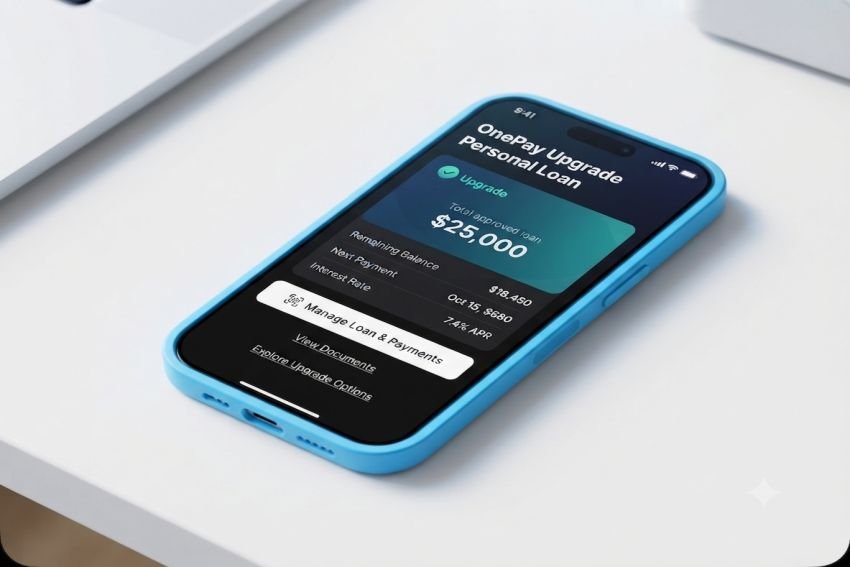

Personal loans have become one of the most popular ways to cover unexpected expenses, consolidate debt, or finance major purchases. Whether you need funds for home improvements, medical bills, or a large purchase, choosing the right lender can make a significant difference in your borrowing experience. Among the many options available today, the OnePay Upgrade Personal Loan has gained attention for offering a streamlined application process and flexible financing options.
Before applying for any loan, it’s essential to understand how interest rates work, how much you may be able to borrow, and what repayment options are available. These factors determine the total cost of borrowing and can help you choose a loan that fits your financial goals.
In this guide, we’ll explain everything you need to know about OnePay Upgrade Personal Loans, including interest rates, loan limits, repayment terms, eligibility considerations, and practical tips for responsible borrowing.
What Is a OnePay Upgrade Personal Loan?
A OnePay Upgrade Personal Loan is a financing option that allows eligible borrowers to receive funds for various personal needs. Depending on the lending program and your financial profile, you may use the loan for:
- Debt consolidation
- Emergency expenses
- Home repairs
- Medical bills
- Wedding costs
- Moving expenses
- Major purchases
- Vacation financing
Unlike secured loans, personal loans generally do not require collateral. Instead, lenders evaluate your credit history, income, debt obligations, and other financial information before approving the application.
How Interest Rates Work
Interest is the amount you pay in addition to the money you borrow. It represents the lender’s cost of providing the loan.
Several factors influence the interest rate you may receive:
Credit Score
Borrowers with higher credit scores often qualify for lower interest rates because they are considered less risky.
Income
A stable and consistent income helps demonstrate your ability to repay the loan.
Debt-to-Income Ratio
Lenders compare your monthly debt payments to your monthly income. Lower debt levels often improve your chances of receiving better loan terms.
Loan Amount
The amount you borrow can also influence the available financing options and repayment structure.
Repayment Term
Longer repayment periods may reduce monthly payments but can increase the total interest paid over time.
Typical Personal Loan Interest Rate Ranges
Although rates vary depending on individual qualifications and market conditions, here’s a general idea of personal loan rates.
| Credit Profile | Estimated Interest Rate Range |
|---|---|
| Excellent Credit | Lower available rates |
| Good Credit | Competitive rates |
| Fair Credit | Moderate rates |
| Limited or Poor Credit | Higher rates may apply |
Keep in mind that every applicant receives an individual evaluation, so your offered rate may differ.
Loan Limits
One of the most important questions borrowers ask is how much they can borrow.
The available loan amount depends on several factors, including:
- Creditworthiness
- Income
- Employment history
- Existing financial obligations
- Lending policies
Many personal loan providers offer borrowing limits ranging from a few thousand dollars to tens of thousands of dollars for qualified applicants.
Before requesting the maximum amount, consider borrowing only what you genuinely need. A smaller loan typically results in lower monthly payments and less interest over time.
Repayment Options
Repayment flexibility is an important feature of any personal loan.
Most lenders offer fixed monthly payments over a predetermined period.
Common repayment terms include:
- 24 months
- 36 months
- 48 months
- 60 months
- Longer terms for qualified borrowers
Fixed monthly payments make budgeting easier because the payment amount generally remains the same throughout the loan.
Example of Monthly Loan Payments
The following example illustrates how repayment periods affect monthly payments.
| Loan Amount | Repayment Term | Estimated Monthly Payment* |
|---|---|---|
| $5,000 | 24 months | Higher monthly payment |
| $5,000 | 36 months | Moderate monthly payment |
| $5,000 | 60 months | Lower monthly payment |
*Actual payments depend on your approved interest rate and loan terms.
Although longer repayment periods reduce monthly payments, borrowers usually pay more interest over the life of the loan.
Benefits of Choosing a Personal Loan
Personal loans offer several advantages compared to other forms of borrowing.
Predictable Payments
Fixed monthly payments simplify financial planning.
Fast Access to Funds
Many lenders process applications quickly, allowing approved borrowers to receive funds within a relatively short time.
Flexible Use
Personal loans can often be used for various purposes without requiring detailed spending documentation.
Debt Consolidation
Combining multiple high-interest debts into one monthly payment can simplify finances.
No Collateral Required
Many personal loans are unsecured, meaning borrowers do not have to pledge assets such as a vehicle or home.
Things to Consider Before Applying
While personal loans can be useful financial tools, borrowers should carefully evaluate several factors before applying.
Review Your Budget
Calculate whether the monthly payment comfortably fits your income and existing expenses.
Compare Offers
Different lenders provide different interest rates, repayment terms, and fees. Comparing multiple offers helps you find better value.
Understand Fees
Some loans may include:
- Origination fees
- Late payment fees
- Returned payment fees
Always review the loan agreement carefully before accepting an offer.
Borrow Responsibly
Only borrow the amount you truly need rather than the maximum amount available.
Tips to Improve Your Chances of Approval
Although approval depends on the lender’s requirements, several steps may strengthen your application.
Improve Your Credit Score
Pay bills on time and reduce outstanding balances before applying.
Lower Existing Debt
Reducing credit card balances may improve your debt-to-income ratio.
Verify Your Information
Ensure your application contains accurate employment and income details.
Maintain Stable Employment
Consistent employment history often supports loan applications.
Comparing Personal Loans
Before selecting any loan, compare the most important features.
| Feature | Personal Loan |
|---|---|
| Fixed Interest Rate | Usually available |
| Monthly Payments | Fixed |
| Collateral Required | Often No |
| Loan Purpose | Multiple personal uses |
| Early Repayment | Depends on lender terms |
Comparing these features helps borrowers understand which loan best matches their financial needs.
Responsible Borrowing Strategies
Taking out a loan should support your financial goals—not create unnecessary financial stress.
Consider these best practices:
- Borrow only what you need.
- Make payments on time.
- Avoid taking multiple loans simultaneously.
- Build an emergency savings fund whenever possible.
- Read every loan document before signing.
Responsible borrowing helps protect your credit score and reduces financial pressure over time.
Is a OnePay Upgrade Personal Loan Right for You?
The OnePay Upgrade Personal Loan may be worth considering if you’re looking for predictable monthly payments, flexible repayment options, and funds for personal expenses or debt consolidation. However, no loan is universally right for everyone.
Before making a decision, compare available lenders, review the total borrowing cost, and determine whether the monthly payments fit comfortably within your budget. Carefully evaluating your financial situation today can help prevent repayment difficulties later.
Common Mistakes to Avoid
Many borrowers make avoidable mistakes during the loan process.
Some of the most common include:
- Borrowing more than necessary
- Ignoring the Annual Percentage Rate (APR)
- Missing payment due dates
- Failing to compare lenders
- Accepting the first offer without researching alternatives
Avoiding these mistakes can save money throughout the life of your loan.
Conclusion
Personal loans can provide valuable financial flexibility when used responsibly. Understanding interest rates, loan limits, repayment schedules, and overall borrowing costs helps you make informed decisions before signing a loan agreement.
The OnePay Upgrade Personal Loan offers a financing option that may suit borrowers seeking predictable payments and flexible loan terms. However, every applicant’s financial situation is unique. Comparing multiple offers, reviewing all fees, and borrowing only what you need remain the smartest ways to manage personal debt.
A well-planned loan can help you achieve important financial goals while maintaining long-term financial stability.
Frequently Asked Questions (FAQs)
1. What is a OnePay Upgrade Personal Loan?
It is a personal financing option that eligible borrowers may use for expenses such as debt consolidation, home improvements, medical bills, or other personal needs.
2. How are interest rates determined?
Interest rates typically depend on factors such as your credit score, income, debt-to-income ratio, loan amount, and repayment term.
3. How much can I borrow?
Loan limits vary based on the lender’s policies and your financial qualifications. Approved amounts depend on your credit profile and ability to repay.
4. Can I repay the loan early?
Some lenders allow early repayment without penalties, while others may have specific conditions. Always review your loan agreement before borrowing.
5. Does applying affect my credit score?
Submitting a formal loan application may result in a hard credit inquiry, which can temporarily affect your credit score.
6. What documents are usually required?
Applicants commonly need proof of identity, income verification, employment information, and banking details, although requirements vary by lender.
7. Is a personal loan better than using a credit card?
It depends on your financial situation. Personal loans often provide fixed payments and structured repayment schedules, while credit cards offer revolving credit that may carry higher interest rates if balances are not paid in full.