

A great cricket match centre does more than show the score. It helps fans understand the full match situation, follow key moments, explore player performances and stay connected from toss to result.
Introduction
A cricket match centre is one of the most important pages on any cricket website or sports app. It is where fans go when they want to know what is happening right now, what has already happened and what the match situation means. A good match centre can keep users engaged for hours. A poor one can make fans leave within seconds.
The challenge is that cricket is not a simple sport to summarize. A match centre has to handle fixtures, toss information, team lineups, innings scores, ball-by-ball updates, wickets, partnerships, player stats, rain delays, revised targets, result status and tournament context. It must serve casual fans who want a quick update and serious fans who want deeper detail.
This is why a strong match centre depends on clean, structured cricket data. A platform using a reliable Cricket API can create a match centre that feels live, useful and trustworthy instead of a static page with a score at the top.
A Great Match Centre Starts Before the First Ball
Many people think a match centre begins when play starts, but the best ones begin earlier. Before the first ball, fans may want fixture details, venue information, start time, team news, toss result and playing XI information. This pre-match context gives the page value before the live score even appears.
In cricket, the toss can matter a lot. Conditions, pitch behaviour, dew, weather and match format can all affect the decision to bat or bowl first. A match centre that shows only “match not started” misses an opportunity to explain the setup.
Useful pre-match information may include:
- Teams involved
- Match format
- Venue
- Scheduled start time
- Tournament or series name
- Toss winner and decision
- Playing XI or squads where available
- Weather or delay status
This makes the match centre useful throughout the whole match lifecycle, not only during live play.
The Live Score Must Be Clear at a Glance
The live score is the heart of the match centre. It should answer the most important questions immediately: who is batting, what is the score, how many overs have been bowled, how many wickets have fallen and what stage of the match is this?
Clarity matters more than decoration. Fans often check match centres quickly during the day. They may be at work, travelling, watching another game or following multiple matches at once. The current match state should be visible without forcing the user to search.
A good live score area should include:
- Current innings score
- Overs completed
- Wickets lost
- Batters at the crease
- Current bowler
- Target and required run rate in a chase
- Match status
- Last updated context where useful
The score should not feel isolated. It should sit inside the wider match situation so fans can understand whether the batting side is in control, under pressure or recovering.
Ball-by-Ball Updates Bring the Match to Life
Ball-by-ball data is one of the features that separates a real cricket match centre from a basic score page. Cricket fans often want to know how the latest over unfolded. A sequence of dot balls, boundaries, wickets and extras can tell the story of pressure and momentum better than the total score alone.
A recent-ball display helps fans understand the rhythm of the match. In a chase, it can show whether the batting side is keeping up with the required rate. In the first innings, it can show whether a team is accelerating or struggling to find boundaries.
Ball-by-ball updates also create a sense of presence. Even when fans cannot watch, they can feel the match moving. A wicket, six or final-over dot ball becomes a live moment, not just a number changing on a page.
“Cricket is a game of glorious uncertainties.”
— often attributed to cricket writers and commentators
That uncertainty is exactly why match centres matter. Fans keep returning because the next ball can change everything.
Scorecards Add Depth and Trust
A match centre without a scorecard feels incomplete. The live score shows the current state, but the scorecard explains how the match reached that state. It shows batting contributions, bowling figures, dismissals, extras, fall of wickets and innings structure.
A well-designed scorecard helps fans answer deeper questions. Who built the innings? Which bowler was most effective? Did wickets fall in clusters? Was the total driven by one player or shared contributions? Did extras make a difference?
The scorecard also gives credibility to the page. Cricket fans are used to reading scorecards, and many will check them carefully. If the scorecard is missing, outdated or hard to read, the match centre feels less trustworthy.
Player Stats Make the Match Centre More Engaging
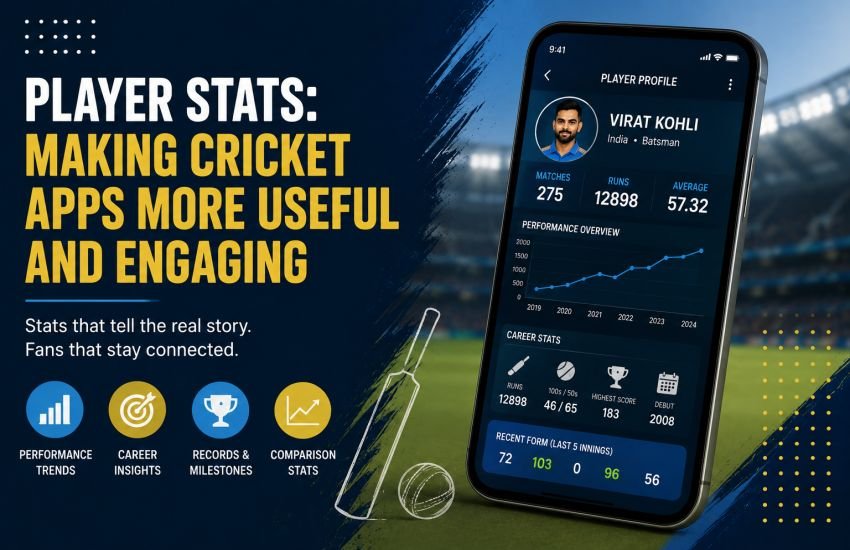
Player stats turn a match centre from a live scoreboard into a richer fan experience. Fans want to know not only the team score, but which players are shaping the match. This is especially true for fantasy users, analysts, journalists and fans following favourite players.
Useful player-focused elements may include:
- Top scorer
- Current partnership
- Strike rates
- Bowling figures
- Economy rates
- Milestones such as fifties and hundreds
- Wickets taken
- Recent form links or player profiles
These details make the page more useful after the match too. A completed match centre can become a reference page for fans who want to understand what happened later.
Match Status Is Essential in Cricket
Cricket match centres need strong status handling because cricket does not always move cleanly from start to finish. Play may be delayed by rain, interrupted by bad light, paused for innings break, shortened by revised conditions or abandoned without a result.
If the match centre does not explain the status clearly, fans may think the website is broken. A frozen score without explanation creates uncertainty. A clear status label such as “rain delay,” “innings break,” “target revised” or “match abandoned” protects trust.
Platforms building live cricket products can use resources such as a live cricket scores API to think about how score, status and innings data should work together inside a match centre.
Tournament Context Keeps Fans Moving
A match centre should not be a dead end. It should connect to the wider competition. Fans may want to see fixtures, points tables, squads, previous results, next matches or tournament standings.
This is especially important during leagues and tournaments. One result may affect qualification, net run rate, series standings or playoff chances. A good match centre helps users move naturally from the match to the bigger picture.
Internal navigation matters for SEO too. A match page that connects to team pages, tournament pages, player pages and fixtures creates a stronger website structure than isolated match pages.
Mobile Experience Can Make or Break the Page
Many fans follow cricket on mobile devices, so a match centre must work well on small screens. The score should be easy to read. Tabs should be simple. Scorecards should not require awkward horizontal scrolling. Key information should appear near the top.
The mobile experience should support both quick checks and deeper reading. A fan might open the page for five seconds to check the score, then later return to read the scorecard or ball-by-ball details. The layout should serve both behaviours.
Speed also matters. During big matches, many users may check the page at the same time. A slow or unstable match centre can lose traffic at the exact moment interest is highest.
AI Can Make Match Centres Smarter
The next generation of cricket match centres will likely include more AI-assisted features. Instead of only displaying numbers, a match centre could explain momentum, summarize innings, highlight turning points and answer fan questions in plain language.
For example, AI could explain why a chase has become difficult, identify the key partnership, summarize the last five overs or help a new fan understand why a bowling spell mattered. But this only works if the data underneath is accurate and structured.
AI does not replace the match centre. It adds a layer of explanation on top of reliable cricket data.
Final Thoughts
A great online cricket match centre does more than show the score. It gives fans a complete place to follow the match from pre-game build-up to final result. It combines live score, ball-by-ball updates, scorecards, player stats, match status and tournament context.
The best match centres feel simple because the complexity is handled behind the scenes. Fans do not need to think about data structure, status fields or update logic. They simply get the right information at the right time.
As cricket coverage becomes more real-time, mobile and AI-assisted, the match centre will remain one of the most valuable parts of any cricket website or app. It is where data becomes experience, and where fans stay connected to the game ball by ball.