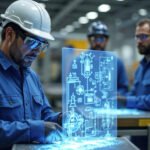


Smart sensors have become one of the most important technologies reshaping modern industries. They gather data instantly. They react fast. They help organizations spot problems before they spread. And they push companies toward safer, more efficient systems. What once required manual checks and slow reporting now happens automatically.
Real-time monitoring is no longer a luxury. It’s becoming the standard for businesses that want accuracy and speed. Smart sensors make that possible.
Why Smart Sensors Matter Now
Smart sensors combine hardware, software, and connectivity. They detect small changes in their environment and send the information where it’s needed. Temperature shifts. Air quality changes. Movement. Pressure. Sound. These signals give industries visibility they never had before.
Businesses depend on fast data. According to McKinsey, companies that adopt data-driven operations can cut equipment downtime by up to 50%. That’s a major advantage in manufacturing, logistics, and safety-focused environments.
Sensors give teams the ability to see what’s happening the moment it happens.
Manufacturing: Spotting Issues Before They Spread
Factories depend on stability. A single failure can disrupt an entire production line. Smart sensors detect heat spikes, vibration changes, and humidity shifts long before machinery breaks. Maintenance teams use this information to fix issues early.
Predictive maintenance reduces delays. It also reduces waste. Machine performance becomes more consistent because problems are found early, not after a shutdown.
Smart sensors also support safety. They track air quality, sound levels, and chemical exposure. Workers avoid dangerous conditions because alerts happen instantly.
Logistics: Keeping Goods Moving Smoothly
Shipping goods requires precision. Temperature-sensitive products spoil quickly. Electronics get damaged if humidity rises. Packaging weakens if the environment shifts too much. Smart sensors track those conditions in real time.
Transport teams use the data to reroute shipments, adjust storage, or repair faulty refrigeration units. These decisions protect products and avoid expensive returns. When goods arrive in good condition, customer trust grows.
Tracking sensors also improve delivery accuracy. They help companies locate delays and analyze how long shipments stop in each stage. The insights tighten the entire supply chain.
Workplace Safety: Monitoring Spaces With Precision
Safety rules only work when conditions stay safe. Smart sensors now play a major role in schools, hospitals, offices, and industrial sites. They detect smoke, sound, air quality changes, unauthorized entry, and other threats.
One growing area is the use of vape detectors in schools. These sensors pick up aerosols and send alerts instantly. Administrators get real-time data about vaping incidents without needing cameras or invasive monitoring. It creates a safer environment while respecting student privacy.
Sensors that watch for carbon monoxide, noise levels, or chemical leaks function the same way. They react faster than human observation. They reduce risk across workplaces.
Healthcare: Better Monitoring, Faster Decisions
Healthcare depends on accuracy. Smart sensors help track patient vitals, equipment performance, and facility conditions. They monitor heart rates, oxygen levels, and movement. They alert nurses before a patient’s condition takes a dangerous turn.
Hospitals also use sensors to maintain sterile environments. Air sensors track contamination risks. Temperature sensors protect medication storage. Motion sensors automate lighting and reduce energy waste.
Small improvements in monitoring create big improvements in patient outcomes.
Smart Buildings: Real-Time Control at Every Level
Modern buildings use sensors to manage climate, security, lighting, and air quality. These systems help reduce energy costs and improve comfort.
Temperature sensors adjust HVAC systems automatically. Motion sensors turn lights on and off. Air-quality sensors alert teams when ventilation needs improvement. Security sensors monitor doors and restricted areas.
Smart buildings react to how people use them. They save money because systems work only when needed.
Data Quality Matters More Than the Device
A sensor is only as useful as its data. Clean, accurate data supports fast decisions. Poor data leads to wrong assumptions. That’s why calibration, testing, and software updates matter.
IT teams must ensure:
- Sensor placement is correct
- Data is transmitted without interruption
- Alerts reach the right people
- Systems integrate smoothly
Strong data pipelines turn sensors into powerful tools. Weak pipelines create confusion.
Integration With Automation and AI
Smart sensors support automation. They feed real-time data into systems that take action without human input. AI models use the data to predict outcomes or identify unusual behavior.
For example:
- A sensor detects heat → system slows machine speed
- Air quality drops → ventilation increases automatically
- A patient’s heart rate spikes → alert sent to a nurse instantly
This reduces reaction time and allows teams to focus on higher-level work.
The Future: More Sensors, Smarter Decisions
As sensors get smaller, cheaper, and more connected, adoption will accelerate. We’ll see more predictive systems. More automated responses. More industries using real-time data to avoid mistakes, reduce risk, and strengthen efficiency.
Smart sensors won’t replace human judgment. They’ll support it. They’ll give teams the information they need at the moment they need it.
The future is fast. Sensors make that speed manageable.