
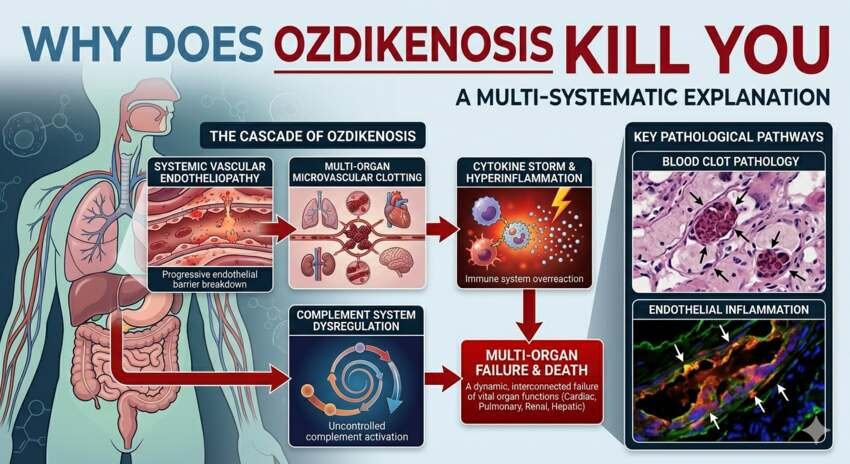

The internet is full of strange words, mysterious topics, and viral questions that suddenly become popular overnight. One recent phrase that has caught the attention of many people online is “why does ozdikenosis kill you.” Thousands of users have searched for this unusual term on social media platforms, forums, and search engines. Many people are confused about what it means, whether it is real, and why it is spreading across the internet so quickly.
In today’s digital world, unusual trends often become viral because of curiosity, humor, misinformation, or online challenges. Sometimes a made-up word or fictional concept gains popularity simply because people keep talking about it. This seems to be the case with ozdikenosis, which has become a trending online mystery.
This article explains why the phrase “why does ozdikenosis kill you” is trending, how internet culture spreads viral topics, and why people should always check facts before believing online information.
Understanding Viral Internet Trends
The internet moves very fast. Every day, new hashtags, videos, memes, and strange phrases appear online. Some become popular for only a few hours, while others continue trending for weeks.
People often search for unusual topics because they are curious or because they saw others discussing them online. Social media platforms such as TikTok, X, Reddit, YouTube, and Instagram play a huge role in making topics go viral.
There are several reasons why internet trends spread quickly:
- Curiosity and mystery
- Funny or confusing names
- Social media algorithms
- Memes and jokes
- Influencer discussions
- Online challenges
- Fake or exaggerated stories
The phrase “why does ozdikenosis kill you” appears to follow this pattern of internet curiosity and viral discussion.
Is Ozdikenosis a Real Medical Condition?
One of the biggest reasons people search for this phrase is because they think it might be a real disease or dangerous condition. However, there is currently no recognized medical condition officially called ozdikenosis.
Many online users believe the term may have started as:
- A joke
- A meme
- A fictional illness
- A social media prank
- A made-up internet mystery
Sometimes people create fake scientific-sounding words to confuse others or attract attention online. Because the name “ozdikenosis” sounds complex and medical, many users assume it must be real.
This confusion leads more people to search the phrase “why does ozdikenosis kill you,” causing the trend to grow even larger.
How Social Media Makes Topics Go Viral
Social media platforms are designed to keep users engaged. Their algorithms often promote content that gets strong reactions such as surprise, fear, confusion, or excitement.
When users see strange phrases like “why does ozdikenosis kill you,” they become curious and click on videos or posts to learn more. Even if the information is false, the attention helps the topic spread further.
For example:
- Someone posts a mysterious video mentioning ozdikenosis
- Viewers become curious and share the content
- Others search the phrase online
- More creators start discussing it
- The algorithm notices increased engagement
- The topic becomes trending
This cycle happens very often online.
The Power of Mystery on the Internet
People naturally want answers to mysterious questions. The unknown creates curiosity, and curiosity drives internet traffic.
The phrase “why does ozdikenosis kill you” sounds dramatic and alarming. Even users who do not believe it is real may still search the phrase because they want to understand the joke or trend.
Mystery-based content performs very well online because:
- People enjoy solving puzzles
- Fear increases attention
- Unusual names are memorable
- Users want to avoid missing out
- Viral discussions create social pressure
Many internet trends become popular simply because people want to feel included in online conversations.
Misinformation and Online Confusion
The internet gives people quick access to information, but not all online information is accurate. False claims can spread very quickly, especially when users do not verify sources.
Some creators intentionally post misleading content to gain:
- Views
- Likes
- Followers
- Shares
- Advertising revenue
This is why many users become confused about topics like ozdikenosis.
When searching for “why does ozdikenosis kill you,” people may find:
- Fake medical explanations
- Joke videos
- Edited screenshots
- False stories
- Satirical posts
Without proper fact-checking, some users may believe these claims are real.
Why Strange Words Become Popular Online
The internet loves unusual or complicated words. Strange names often become memes because they sound funny, mysterious, or scientific.
Examples from past internet culture include fictional conditions, made-up technologies, and fake conspiracy theories. Ozdikenosis seems to follow a similar pattern.
A strange word can become popular because:
| Reason | Explanation |
|---|---|
| Unique Sound | People remember unusual words |
| Mystery | Users want answers |
| Humor | Funny names spread quickly |
| Fear Factor | Scary topics attract attention |
| Social Sharing | Viral content spreads rapidly |
Because “ozdikenosis” sounds like a medical term, many users assume it is connected to science or health.
Internet Culture and Meme Communities
Modern internet culture depends heavily on memes and inside jokes. Many viral trends are created purely for entertainment.
Online communities often enjoy confusing outsiders with fictional terms or mysterious stories. Once enough people join the joke, the topic spreads across multiple platforms.
Memes work because they are:
- Easy to share
- Funny or strange
- Emotionally engaging
- Simple to understand
- Repeated frequently
The phrase “why does ozdikenosis kill you” may have become popular partly because internet users enjoy creating mystery-based memes.
The Importance of Fact-Checking
Whenever a strange topic trends online, it is important to verify the information before believing or sharing it.
Here are some simple fact-checking tips:
Check Trusted Sources
Look for information from:
- Medical websites
- Educational institutions
- Government health organizations
- Trusted news outlets
Avoid Random Social Media Claims
Not every video or post online is true. Many creators exaggerate stories for attention.
Search Carefully
If no trusted source recognizes a condition or topic, it may not be real.
Think Critically
Ask yourself:
- Does this information make sense?
- Is there scientific evidence?
- Are reliable experts discussing it?
Learning digital literacy is very important in today’s online world.
Why People Enjoy Internet Mysteries
Internet mysteries create excitement because they mix curiosity, fear, and entertainment. People enjoy discussing strange topics with friends or online communities.
Mysteries also give users something new to explore in a crowded online environment.
Popular mystery trends often involve:
- Unexplained events
- Fake diseases
- Hidden messages
- Secret codes
- Urban legends
- Conspiracy theories
Even when the stories are fictional, they can still become extremely popular.
The Future of Viral Online Trends
The internet will continue creating new viral mysteries and strange trends. As technology grows, artificial intelligence and recommendation algorithms may spread trends even faster.
Future online trends may include:
- AI-generated stories
- Deepfake videos
- Virtual reality mysteries
- Interactive online games
- Digital puzzles
Because of this, users will need stronger critical thinking and fact-checking skills.
The popularity of “why does ozdikenosis kill you” shows how quickly internet curiosity can turn an unknown phrase into a trending topic.
Conclusion
The phrase “why does ozdikenosis kill you” has become popular mainly because of internet curiosity, social media sharing, and mystery-based online culture. Although there is no official medical condition called ozdikenosis, the strange name and dramatic wording attracted attention from users worldwide.
This trend highlights how quickly information, jokes, and fictional topics can spread online. Social media algorithms, memes, and online discussions all help turn unusual phrases into viral sensations.
While internet trends can be entertaining, it is important to verify information before believing or sharing it. Learning how to fact-check and think critically helps users avoid misinformation and better understand the digital world.
As internet culture continues evolving, strange viral topics like ozdikenosis will likely continue appearing online. The key is to stay curious while also staying informed.
FAQs
What is ozdikenosis?
There is currently no official medical condition known as ozdikenosis. It appears to be an internet-created term.
Why is “why does ozdikenosis kill you” trending?
The phrase became popular because of curiosity, social media discussions, memes, and viral online sharing.
Is ozdikenosis dangerous?
There is no scientific evidence proving ozdikenosis is a real disease or dangerous condition.
How do fake internet trends spread?
Social media algorithms, viral videos, memes, and user curiosity help fake or mysterious topics spread quickly online.
How can I avoid misinformation online?
Use trusted sources, fact-check information, and avoid believing every viral social media post without evidence.